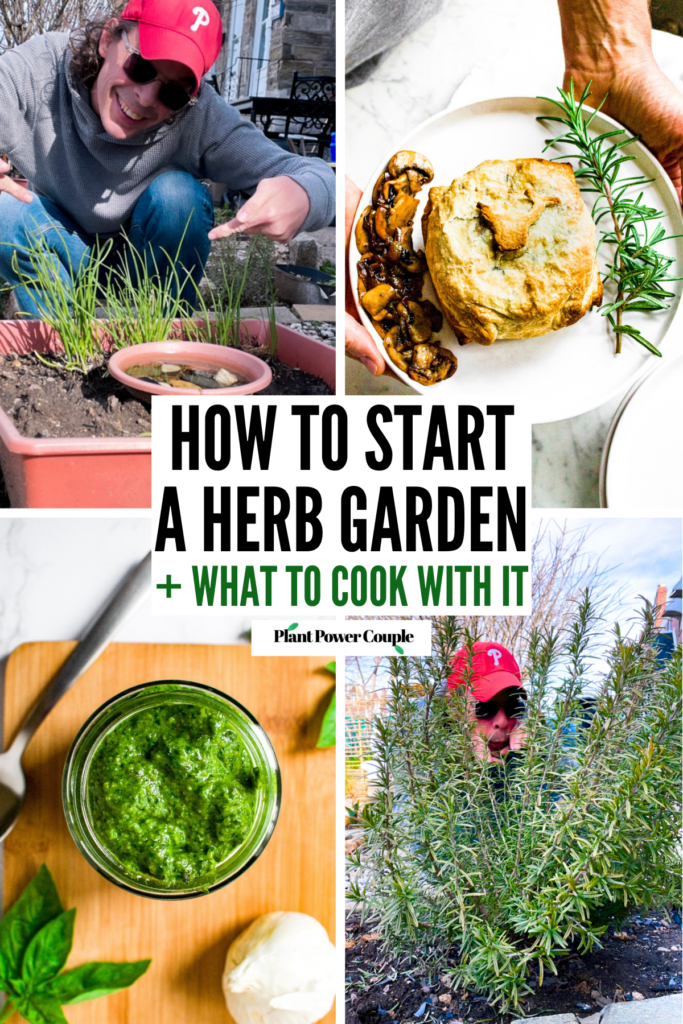
How to Start a Herb Garden
I’ve been growing fresh herbs for over 40 years, and in this post, I am going to share everything I’ve learned, so you can avoid common mistakes and celebrate faster wins in your own herb garden! Not only will we go over how to grow herbs at home, but we’ll also share how to use those herbs in real life vegan recipes so nothing goes to waste!
This post contains affiliate links. As Amazon Associates, we earn a small commission from qualifying purchases (at no cost to you). Click here to read our full policy about affiliate links.
With spring just around the corner, I’m so excited to get back to one of my favorite longtime passions: gardening. And some of the things I love to grow most in our little garden are fresh, aromatic herbs.
Fresh herbs are expensive at the market, but they’re cheap to grow at home in abundance. And the flavor of store bought dried herbs vs. fresh herbs you grow yourself is vastly different.
I’ve been growing fresh herbs for over 40 years, and these are some of my favorite herbs to grow in our little city garden plot that we also love to use in many of our recipes. We’ve also included some growing tips and suggestions for how to save and store your garden fresh herbs!
We’ll cover the (somewhat) more common plants that grow fairly easily in a variety of climates, as well as a few somewhat obscure herbs you shouldn’t overlook.
This list is by no means exhaustive – there are thousands upon thousands of edible herbs – but these are our favorite to grow and use in our daily cooking and for things like seasoning vegetable soup.
And of course, what’s the point of growing these herbs if you’re not enjoying their amazing fresh flavors in your kitchen too?!
We’ll highlight some of our best recipes where you can use the herbs you grow. If you’ve wondered how to grow herbs in your garden, or in your home, here’s your answer!
Save this post!
Add your email below to to get this post and more right in your inbox!

The Best Herbs to Grow for Cooking
Fresh herbs can be pricey at the market, but they’re ridiculously cheap to grow at home in abundance. The best part? You don’t even need a lot of space!
In my four decades of herb growing, I’ve found that even an old step ladder and some self-watering flower pots can transform even the tiniest balcony or sunny corner into a thriving herb garden.
Annual Herbs for Your Herb Garden
Annual herbs will complete their life cycle in a single season and will need to be planted each year. However, most of these can also be grown indoors and be enjoyed year-round.
Basil
A favorite among garden enthusiasts, basil grows abundantly and propagates easily from cuttings to grow new plants.
Common varieties to grow include sweet basil, Thai basil, and purple basil.
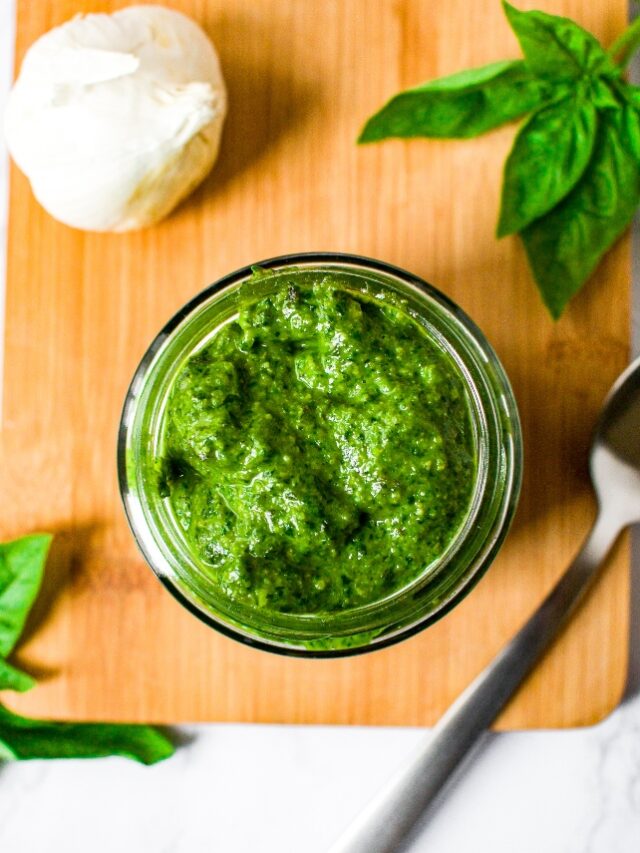
Trim basil properly to encourage bushier growth, and enjoy fresh basil, and Basil Pesto, well into early fall.
Recipes Using our Homemade Basil Pesto:
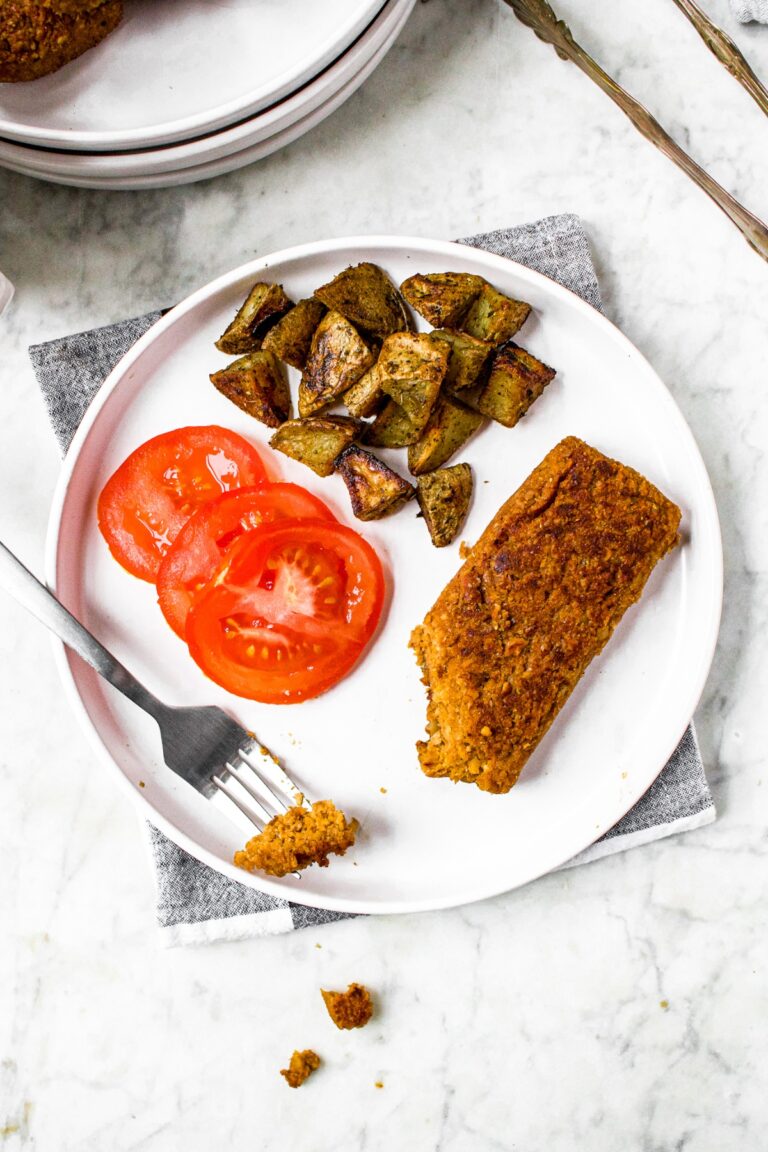
- Baked Pesto Tofu
- Vegan Pesto Biscuits
- Vegan Pesto Pizza (with walnut “sausage”)
- Creamy Vegan Pesto Lasagna
Chervil
A delicate herb in the parsley family with mild, citrus and anise-like flavors.
Sometimes called French parsley, chervil pairs beautifully with salads, vegan egg dishes like Tofu Scrambles and Vegan Quiche, and light sauces and dressings.
It prefers cooler weather, so plant it early in spring or late summer.
Cilantro/Coriander Leaf
You either love it or hate it! Due to a genetic thing, some people can’t stand the taste of cilantro.
If you are a fan, it’s worth growing at home. Cut it back regularly to prevent bolting.
Bolt-resistant varieties are best for warm climates. Once it goes to seed, you can harvest coriander seeds for later use or growing next season.
A must-have as a garnish for Avocado Tequila Lime Pasta, Vegan Nachos, and our Vegan Taco Dip.
Dill
Perfect for salads, Refrigerator Dill Pickles, or dill-icious dishes like our Vegan Tuna Salad, potato salads, and various creamy dressings.
Dill needs plenty of sun and space to grow tall. It grows quickly and thrives in full sunlight. Harvest regularly for best results.
More Recipes Using Dill:
Parsley (Biennial)
Technically a biennial, but typically grown as an annual.
Flat-leaf parsley is more flavorful than curly varieties and works well in everything from soups and salads to Vegan Thanksgiving Pizza, Kalamata Olive Tapenade, or topping Vegan Goat Cheese.
Both flat-leaf and curly varieties thrive in partial shade.
Summer Savory
This peppery and aromatic herb pairs well with beans, vegetables, and even vegan sausage pasta.
Unlike its perennial cousin, winter savory, summer savory completes its life cycle in one season.

Perennial Herbs for Your Herb Garden
Perennial herbs are fantastic because they’ll come back year after year for many generations of the plant when tended properly. Most can even be grown in buckets or containers, and a few most definitely should be.
The hardier herbs, like rosemary and thyme, are also among the best herbs to grow in the winter or indoors all year long.
Bergamot (Bee Balm)
This herb offers a citrusy flavor reminiscent of Earl Grey tea.
It’s great for marinades and marmalades, sauces, grilled vegetables, and of course, teas. Bergamot also attracts pollinators to your garden, making it a win-win for all your plants.
Chives
A must-have for any herb garden! Chives are compact, quick-growing, and love regular pruning.
Their subtle onion flavor enhances tofu scrambles, Potato Leek Soup, and Hummus Pinwheels. And they are the perfect topping for a simple baked potato.
Fennel
Sweet and licorice-like, you can use the fronds or the bulb in cooking.
The bulb is great in roasted or grilled veg or sliced into salad. The leaves and bulb add a distinct flavor to soups, salads, pasta, and more.
Likes full sun and rich soil; does not like dill, so keep them far apart… until cooking time.
Lemon Balm
With a gentle lemon scent, lemon balm makes a calming tea and adds brightness to salads and desserts.
You can also use it to infuse syrups or oils to give lemony flavor to everything from cookies to pasta dishes.
Grows easily in containers, thrives in partial shade, and loves to be pruned.
Lovage
Lovage is an underrated herb with a celery-like flavor. Use lovage leaves or lovage seeds as you would celery in a variety of soups, stocks or stews.
They have a similar flavor to fennel seed. Lovage herb is also a great addition as a lighter-flavored celery alternative in savory salads and dips.
Harvest the lovage plant regularly for continual fresh growth. Some can grow over 5 feet tall, so you may need to stake it.
Marjoram
Sweet marjoram has a mild, oregano-like taste but is subtler and less intense.
It’s an excellent substitute for oregano in soups, salads, and tomato-based dishes like Vegan Chicken Parm or TVP Meatballs.
It’s also a great addition to salad dressings and vinaigrettes.
Mint
Grow this one in containers unless you want it taking over your entire garden!
Peppermint, spearmint, and chocolate mint are all easy to grow and perfect for teas, desserts, cocktails, and a wide variety of drinks and dessert recipes like our Vegan Shamrock Shake!
Oregano
Greek or Italian oregano is a robust herb essential in cooking. It’s a low-maintenance option and thrives even in poor soil.
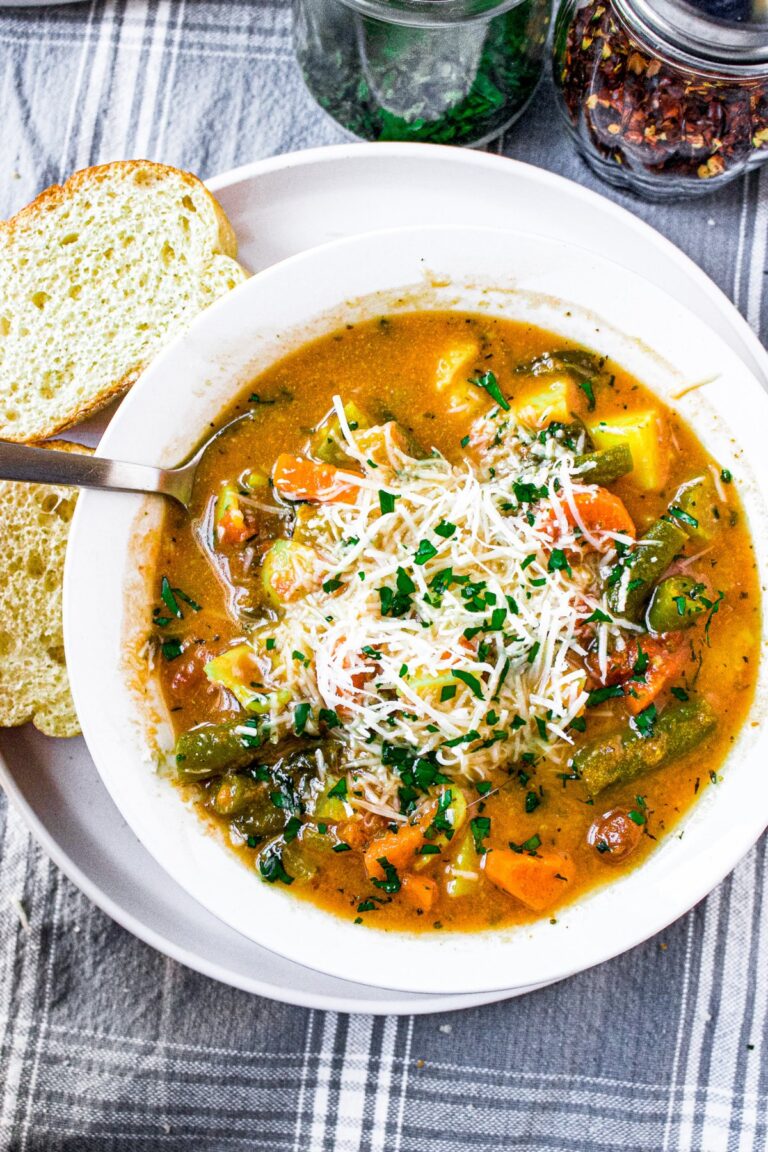
It’s an essential ingredient for flavoring Homemade Marinara Sauce and Vegetable Soup.
Rosemary
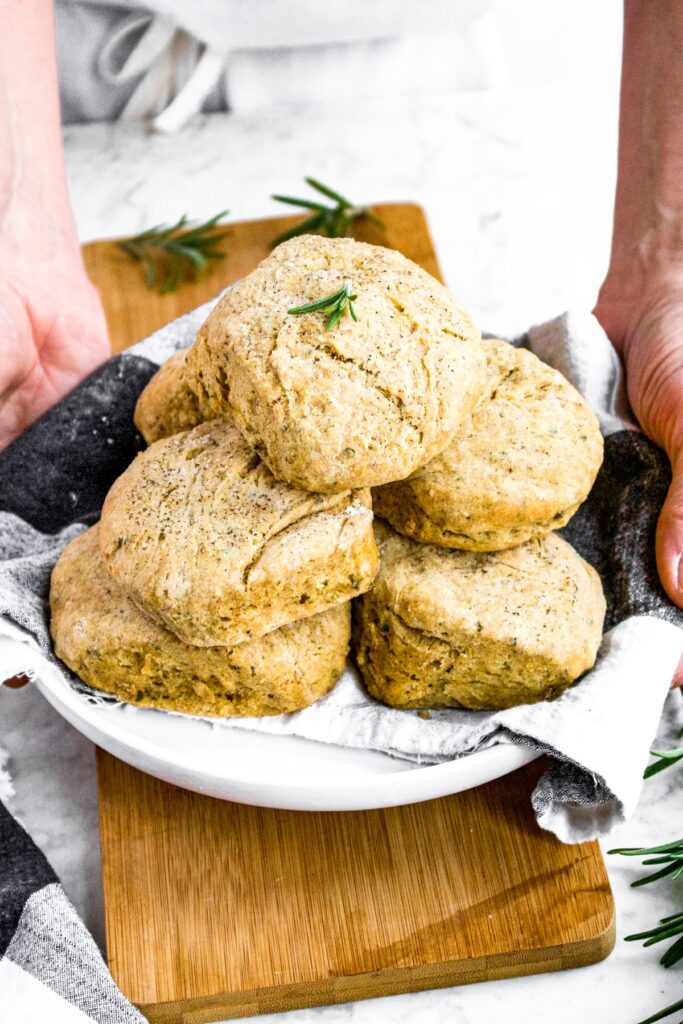
Woody, fragrant, and perfect for grilling vegetables; focaccia, rolls, and bread; and numerous savory dishes.
Once established, rosemary needs minimal watering to thrive. This perfect perennial can even be harvested in winter. Propagating cuttings takes some time, but is so worth it.
Vegan Recipes with Rosemary:
Sage
A beautiful, hardy herb with an earthy and robust, slightly peppery flavor. Some sage advice: a little goes a long way in flavoring.
Sage is perfect for using in Vegan Thanksgiving Stuffing, Vegan Turkey Roast, roasted vegetables, and compound butters or oils.
Scallions
Also known as spring onions and green onions, scallions are a great addition to a wide variety of dishes.
You can easily grow scallion from seed or buy a bunch from the grocery store and, after using, place the 3-4 inch scallion “stub” on enough water to cover the roots and a little of the bottom.
Change the water regularly, and when the scallions start to regrow you can plant them in the dirt or use them from the windowsill.
Recipes Using Scallions:
- Vegan Corn Fritters
- Creamy Vegan Avocado Dressing
- Vegan Buffalo Ranch Pizza
- Lemon Tahini Slaw
- Pineapple Salsa
Thyme
A kitchen essential! Versatile, hardy, and easy to grow, thyme adds a delicious and earthy depth to roasted potatoes or vegetables, soups and stews, and sauces and marinades.
It’s also a great addition to infused bitters and oils. Thyme is also drought-tolerant and thrives even in rocky soil.
Recipes Using Thyme:
- Mushroom Stew
- Vegan Chicken and Dumplings
- Vegan Shepherd’s Pie (recipe coming soon!)
- Lemony Thyme Mashed Potatoes
Winter Savory
This perennial herb has a peppery, thyme-like flavor that’s stronger and more bitter than its summer counterpart.
Winter Savory is perfect for hearty stews, bean dishes, Vegan Stuffing, and roasted vegetables. And it’s a natural companion for mushrooms, lentils, or robust winter soups.

Best Herbs To Grow Indoors
Growing herbs indoors is a great way to have fresh herbs at your fingertips when you need them. If you lack decent sunlight in your house, consider using an Aerogarden or similar indoor herb garden.
Choose appropriate sized pots to grow herbs indoors and combine herbs that grow well together. Consider growing often used and easy-to-care-for herbs like basil, chives, mint, parsley, thyme, oregano, and rosemary.
Best Pots for Growing Herbs – and Other Tools
This list will help you get started for container gardening or even growing herbs indoors. Visit Our Garden Store to see lots of great growing necessities for indoor or outdoor growing.
- Small pots for starting seedlings
- Large pots to transfer
- Seed Starting Soil
- Indoor Potting Mix Soil
- Plant stand
- Pruning tools for herbs
- Indoor Hydroponic Garden

Which Herbs to Plant Together
Planting companion herbs together is a great way to save space and get the full potential from your plants. We’ve listed a few ideas of traditional herbs and their beneficial companion plants.
- Basil – parsley, oregano, and thyme
- Dill – lavender and cilantro (though some say the companion plants overwhelm dill with their flavor. I’ve never found that to be the case.)
- Oregano – basil, sage, and thyme
- Parsley – tarragon, cilantro, and basil
- Thyme – rosemary, oregano, and sage
How to Dry and Prepare Herbs
Preserving fresh herbs from your herb garden ensures you can enjoy their vibrant flavors year-round. Whether you’re saving basil for winter pesto or rosemary for cozy stews, these simple methods will help retain the taste and aroma of your fresh herbs.
Air-Drying Herbs
Air drying herbs is ideal for sturdier abundance herbs like rosemary, thyme, oregano, sage, and lavender.
- Step 1: Gather small bunches of herbs and tie the stems together with kitchen twine.
- Step 2: Hang them upside down in a warm, dry place away from direct sunlight.
- Step 3: Allow them to dry for 1–2 weeks, or until the leaves crumble easily.
- Step 4: Remove the leaves from the stems and store them in Airtight Glass Jars.
Oven-Drying Herbs
Drying herbs in the oven is a quick and easy method ideal for mint, basil, parsley, and cilantro.
- Step 1: Spread herb leaves in a single layer on a baking sheet.
- Step 2: Set your oven to the lowest temperature (around 170°F/75°C) and leave the door slightly ajar.
- Step 3: Dry for 1–2 hours, checking regularly to prevent burning.
- Step 4: Let the herbs cool completely before storing.
Note: If you have a food dehydrator, you can easily dry your herbs in that as well.

Freezing Fresh Herbs
People often ask “Can you freeze fresh herbs?” Not only can you, but freezing fresh herbs ensures you get to enjoy them throughout the year. It’s a great method for soft, moist herbs like basil, dill, chives, and cilantro.
- Step 1: Chop herbs and place them in ice cube trays or Small Silicone Molds.
- Step 2: Cover with water or olive oil and freeze until solid.
- Step 3: Store the frozen cubes in a resealable freezer bag. Perfect for dropping into soups or sauces all year long.
Tips for Storing Fresh Herbs
- Label everything with the name and date to keep track of freshness.
- Store in a cool, dark place – a pantry or cupboard works well.
- Use within 6 months to 1 year for the best flavor.
Drying and preparing your homegrown herbs for future use not only reduces waste but also adds a personal touch to your dishes year-round. Plus, there’s nothing like the satisfaction of sprinkling homegrown oregano on a fresh pizza straight from your oven!

More Fresh Herb Recipes
Bullet list of recipes that haven’t been mentioned yet
- Avocado Pesto Barley Risotto
- Roasted Vegetable Pizza
- Healthy Vegan Ravioli
- Vegan Stuffed Shells
- Chilled Peanut Lime Noodle Salad
And if you’re looking for more vegan gardening resources, check out our How to Start a Vegetable Garden post!
Whether you have an expansive garden area or just a few sunny windowsill spots, growing your own herbs is rewarding, cost-effective, and adds fresh flavor to all your home-cooked meals.
Happy harvesting, and don’t forget to share your herb-growing adventures with us in the comment section below!